Comment by antonvs
5 hours ago
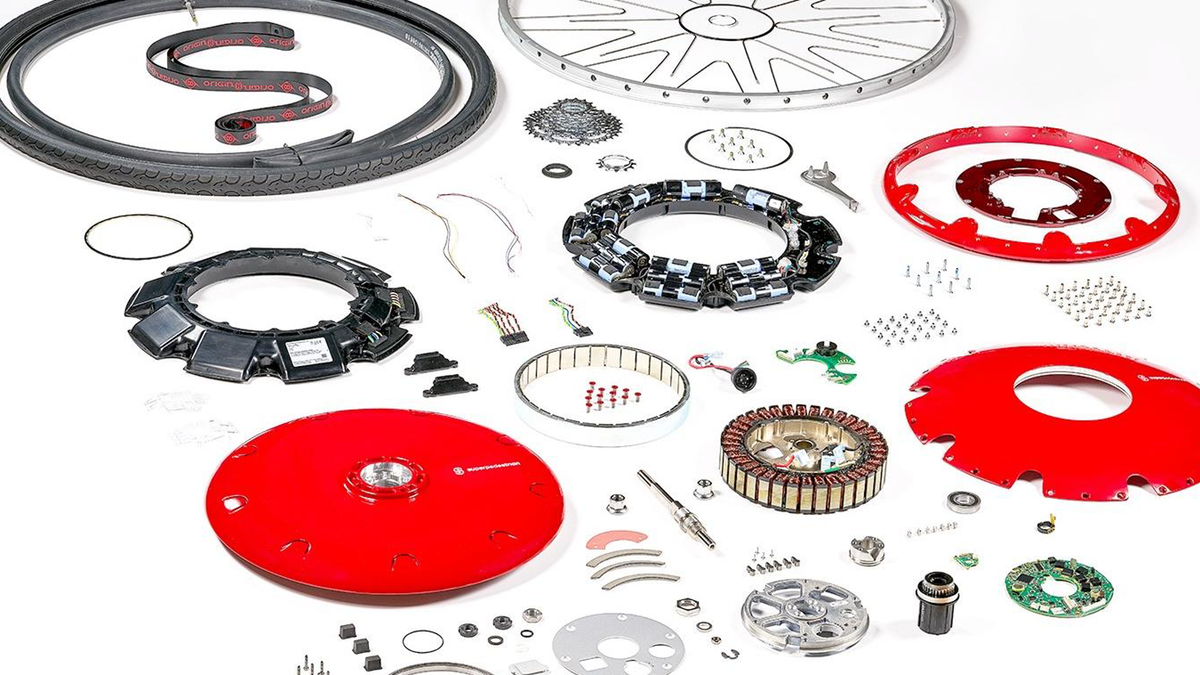
It did have an annular battery layout, with 7 battery pods around the outer edges each containing three batteries. That may have been preferable for weight distribution reasons, if nothing else, but it was probably mainly determined by use of space.
You can see it in this image: https://vcoregon.com/cdn/shop/products/e-bike_technology_db0...
There's a picture of the assembled internals here: https://www.sefiles.net/merchant/130/images/zoom/tech-copenh...
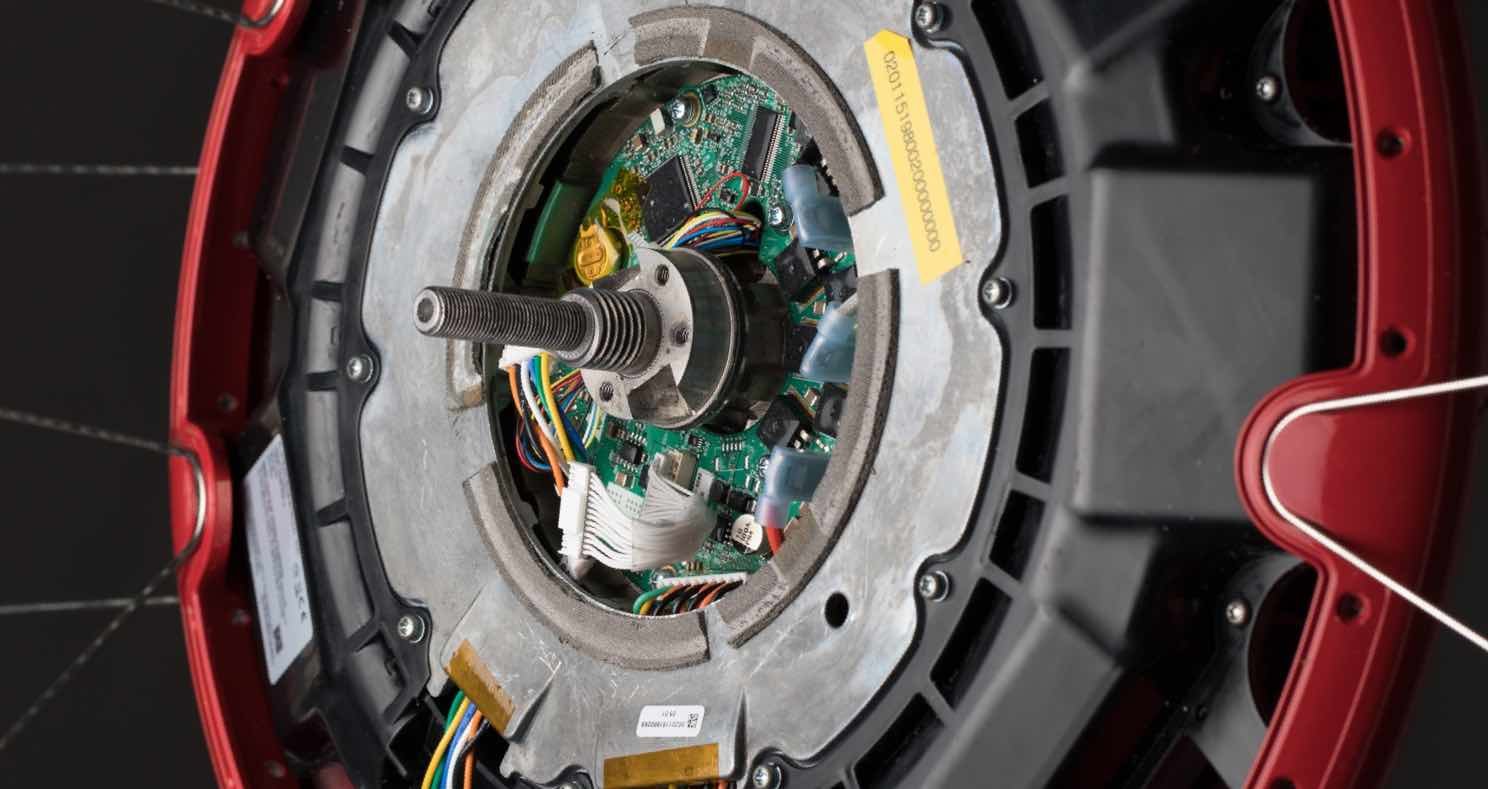
Both images give some idea of the complexity. In bicycle engineering, there's a lot of value in simplicity. Fewer failure points, more easily detectable failure modes, and gradual failures are all features of classic bike design. Systems like this one throw that all out the window, and are much less likely to succeed as a result.
Re spokes as a heatsink, the problem is that the major source of heat is the hub motor, which is stationary, while the spokes rotate. Transferring heat between them would be difficult.
> it could have been a cheap conversion kit that doesn't break.
I seriously doubt that, especially the "cheap" part. There's one of those classic "pick two of three" triangles at work here: in this case complexity, reliability, and cost. To have that complexity be reliable is going to be expensive.
Btw, several other companies tried this. The FlyKly Smart Wheel (defunct), the Electron Wheel, the Evelo Omni Wheel, and the Zehus BIKE+ hub. None of them achieved "cheap conversion kit" status. Some of them, like the Zehus, were only available preinstalled by manufacturers, so their value proposition was making the manufacturer's life easier.
No comments yet
Contribute on Hacker News ↗