Comment by embedding-shape
14 hours ago
> the last mile it's pretty limited.
Where is that last mile exactly? In many metropolitan areas, you typically have available a broad selection of trains, subways, trams and/or buses of different sizes that takes you last mile. Some places even have special buses, like the "Neighbourhood Bus" we have here (https://www.barcelona.cat/mobilitat/sites/default/files/bcn-...) for narrow and steep neighborhoods up on mountains.
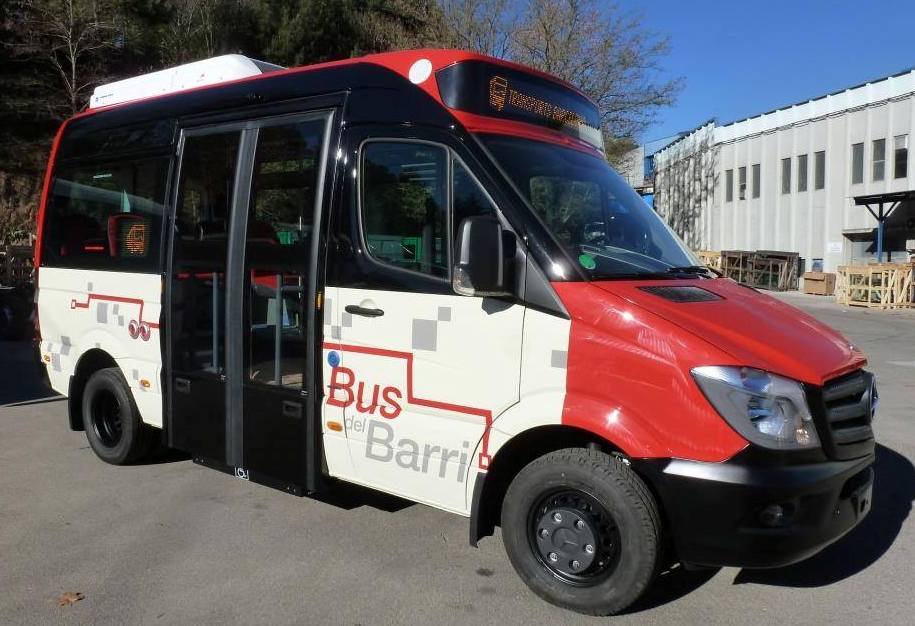
It's certainly doable, if you wanted to have last mile public transport.
Another consideration that needs to be made before tossing out private transit because "public transit is better" is not all people are able bodied, able, or willing to use public transit.
If it is 2am and you need to get home as a woman, it would be a no brainer to get in an autonomous vehicle while going on public transit is a bad coin flip on being harassed at minimum.
If you are wheelchair bound and the elevator is broken, wheelchair ramp is broken, or someone is already using the wheelchair spot, you just have to wait for luck to change.
If you have sensory difficulties that make public transit uncomfortable, private transit is always the better option.
The list goes on for many reasons and people that having only public transit would harm. The idea we can get rid of or otherwise push out private transit marginalizes everyone who isn't prototypical nor should we hand-wave that they can just rely on runs-on-other-people's-time disabled specific transports to get them into city centers because private transport isn't allowed in.
> not all people are able bodied, able, or willing to use public transit.
Not all people are able bodied, able, or willing to use cars. Cars are killing tens of thousands a year while destroying the environment.
> while going on public transit is a bad coin flip on being harassed at minimum.
While this is going to be city-dependent, I'm a woman who frequently travels along late at night on public transit and I've never had any issues beyond annoying drunk people. You're making this up.
> If you are wheelchair bound and the elevator is broken, wheelchair ramp is broken, or someone is already using the wheelchair spot, you just have to wait for luck to change.
Making sure that public transit is wheelchair-accessible is vitally important, I'm glad we agree on that. How do cars do in that regard? They don't work at all unless you can afford a chauffeur. Your argument here is essentially "public transit is sometimes bad, so it's not worth it to make it better", which is nonsensical.
> only public transit
> private transport isn't allowed in
Ridiculous strawman. Nobody is arguing for the abolition of the private vehicle, just the ways in which we design our cities to prioritize only private vehicles at the expense of everything else. Plenty of people in transit-friendly cities own cars. Replacing a large majority of private car trips would save lives, help the environment, make things more accessible, and make cities more pleasant to be in.
People on wheelchair do drive, often with hands control. I knew a guy who would drive manual, since in our country automatic didn't even exist at the time. All with his hands.
Also as a disabled guy myself, public transport here in sweden is NOT accessible (despite what the swedish propaganda will claim) but even if it were, you're not going to have a stop inside your apartment, and when there's roadworks or ice or whatever and they leave you stranded 1-2km away from where you were supposed to go, having a ramp on the bus isn't going to help you that much.
Also I've witnessed drivers picking up and literally throwing out a woman on a wheelchair because the ramp didn't work. It wasn't her stop, she didn't want to get off, they were simply fed up with trying to get it to work.
You said both "tram" and "neighbourhood" so I'm assuming you aren't in the US. I truly mean no offense, but it's hard to express how spread out even the most metropolitan areas are in the US.
Sure, NYC is one thing. But check out the ~10th largest city, Austin, where Waymo and other autonomous vehicles are (I think) in their largest deployment. Just on a map, or by density numbers, or whatever metric you want.
I'm in Austin, and Waymos rule. I walk most places, bike others, and rarely drive. I very, very rarely get a rideshare (and often get Waymo by way of Uber lottery). Autonomous vehicles exist, are real, and serve an actual need in this very low density city that most people on HN have heard of. I have 3 kids and if I could snap my fingers and swap them for Tesla Robotaxis (Waymos are better and safer!) I would in a second. I would even pay for that to happen.
If you're arguing about some idealistic society, that's one thing. In reality these things are way better than our public transit, and fixing public transit in a place this (not) dense is not as easy as you might think. The last mile is real, and people are coming from every direction and going every other direction and not willing to wait and transfers when these autonomous vehicles already solve the problems door to door so inexpensively.
US cities are spread out due to policies enacted only 50–60 years ago to improve connectivity by car. New policies can (and will) reshape them again in the next couple of decades. For example, building transit creates environments where people's trips are well served by transit.
Since many commenters do not understand that "the last mile" is a term of art and not simply 5,280 feet: https://en.wikipedia.org/wiki/Last_mile_(transportation)#Usa...
Trains and subways, by definition, are not serving you in that "last mile". The "last mile" is where you disembark from the closest rapid/public transport, but you still need to travel to your destination.
Every time you make someone switch modes of transportation to complete their commute, the suffering increases exponentially in my personal experience. I much prefer going door to door and getting the benefit of resting my mind and body.